-

Ordering Polyester Buttons? 7 Details Garment Buyers Should Prepare
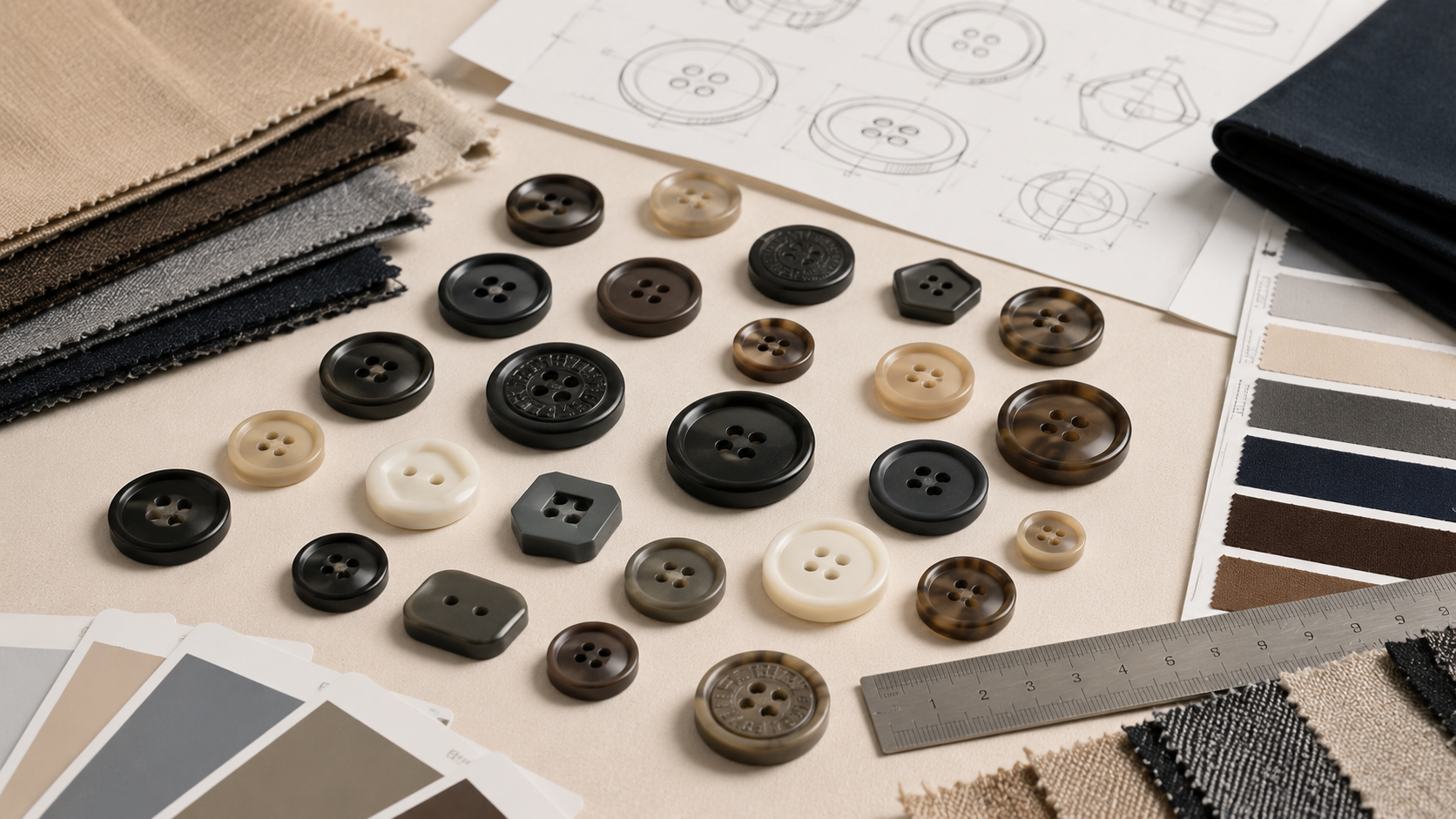
When requesting a quotation for polyester buttons, sending only a button photo may not provide enough information. For garment factories, fashion brands and sourcing teams, clear specifications can help a button supplier understand the project more accurately. 1. Button Design Specify the construction, such as 2-hole, 4-hole or shank, together with the shape and edge…
-
Basic Polyester Buttons: Why Simple Designs Matter in Garment Production
When selecting garment components, attention often goes to distinctive designs. However, basic polyester buttons remain a versatile option for many types of clothing. For fashion brands and garment manufacturers, selecting the right basic button involves more than choosing a simple shape. What Is a Basic Polyester Button? A basic polyester button is made from polyester…
-
Why Do Garment Buttons Matter to Clothing Quality?
When developing a garment, attention often goes to fabric, color, patterns and construction. However, garment buttons are another detail that should not be overlooked. A button is not simply a fastening component. It can influence the function, appearance and overall quality of a garment. 1. Buttons Should Match the Application Shirts, suits, trousers, uniforms and…
-
How to Choose Buttons for Uniforms and Workwear
Buttons for uniforms and workwear may look similar to standard garment buttons, but selecting the right option requires more than choosing a color and design. For garments that may be worn and washed regularly, factors such as function, material, durability and garment-care requirements should be considered. 1. Start with the Application Before selecting a button,…
-
Polyester, Nylon or Natural Buttons: Which Material Should You Choose?
Choosing the right garment buttons involves more than color and shape. Button material can affect appearance, function, production requirements and cost. For fashion brands, designers and garment manufacturers, understanding the differences between common button materials can help make product development easier. Polyester Buttons – Versatile Design Options Polyester buttons can be developed in a wide…
-

Custom Buttons: 6 Things to Prepare Before Production
Planning custom buttons for your clothing brand but not sure where to start? For fashion brands, garment factories and product developers, preparing the right information can help a button manufacturer understand your requirements and make the sample development process more efficient. Here are six key details to prepare. 1. Button Design Start by defining the…
-
Why Global Apparel Brands are Switching to Eco-Friendly Buttons
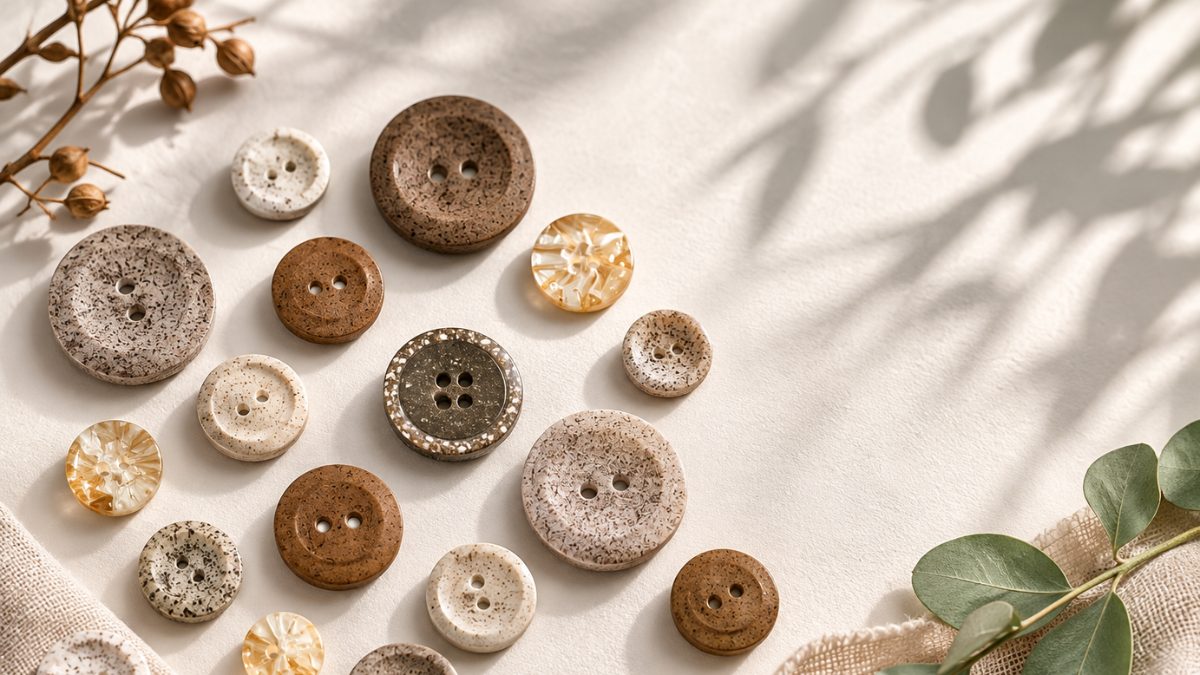
In today’s fashion landscape, sustainability is no longer just a trend—it is the new global standard. For apparel brands looking to make a meaningful impact, the smallest detail often makes the biggest statement: the eco-friendly button. From high-end runways to international retail giants, B2B fashion brands are moving beyond traditional plastics. They are transitioning to…
-
5 Key Factors to Consider When Choosing a Button Manufacturer in Thailand
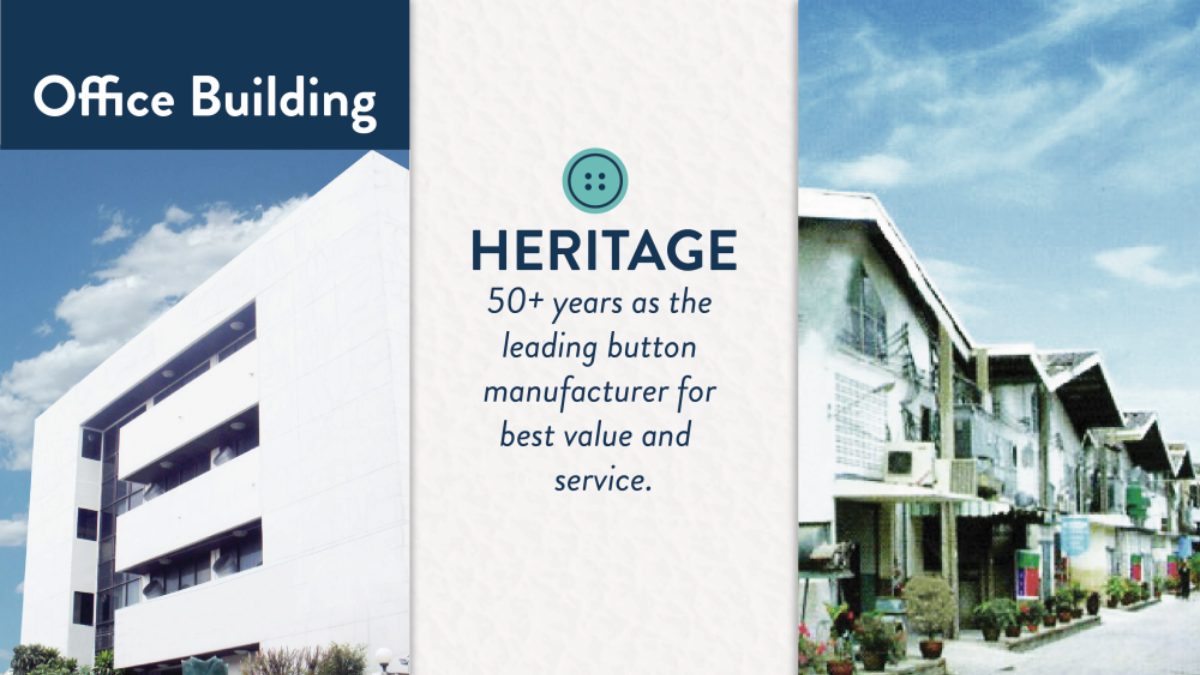
When sourcing garment accessories, the button is often the defining detail of your brand’s quality. Thailand is a premier hub for high-quality button manufacturing. Here are the 5 critical factors to consider when selecting your partner. Contact us for inquiries or to place an order:
-
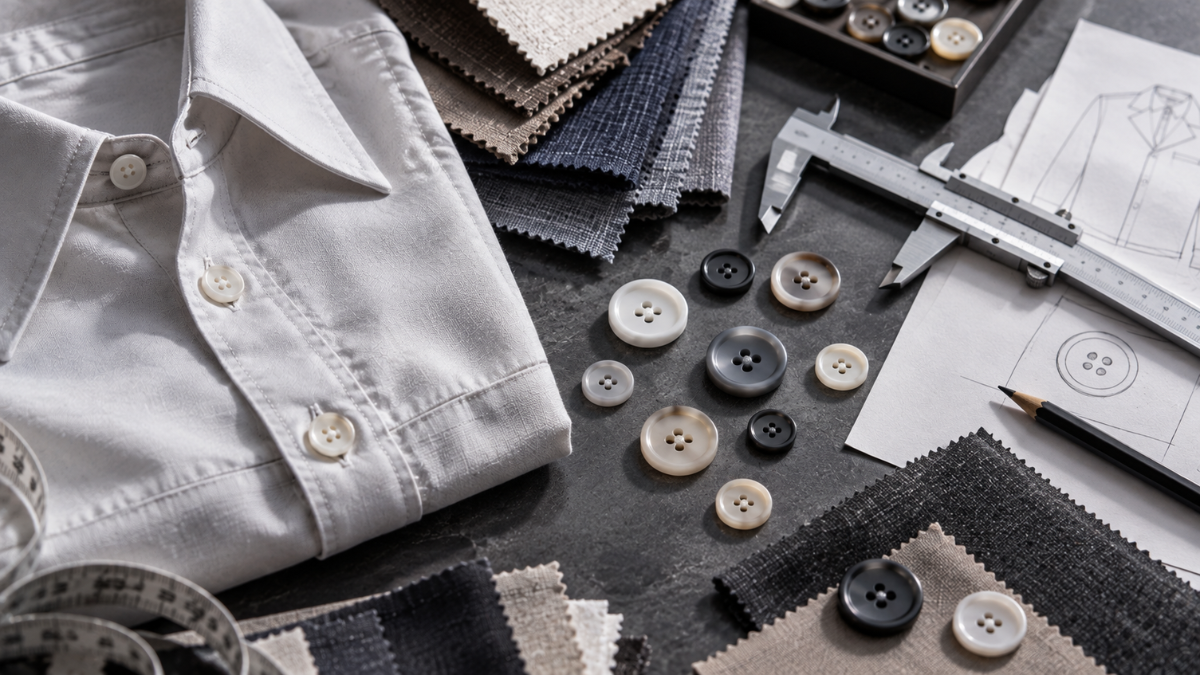
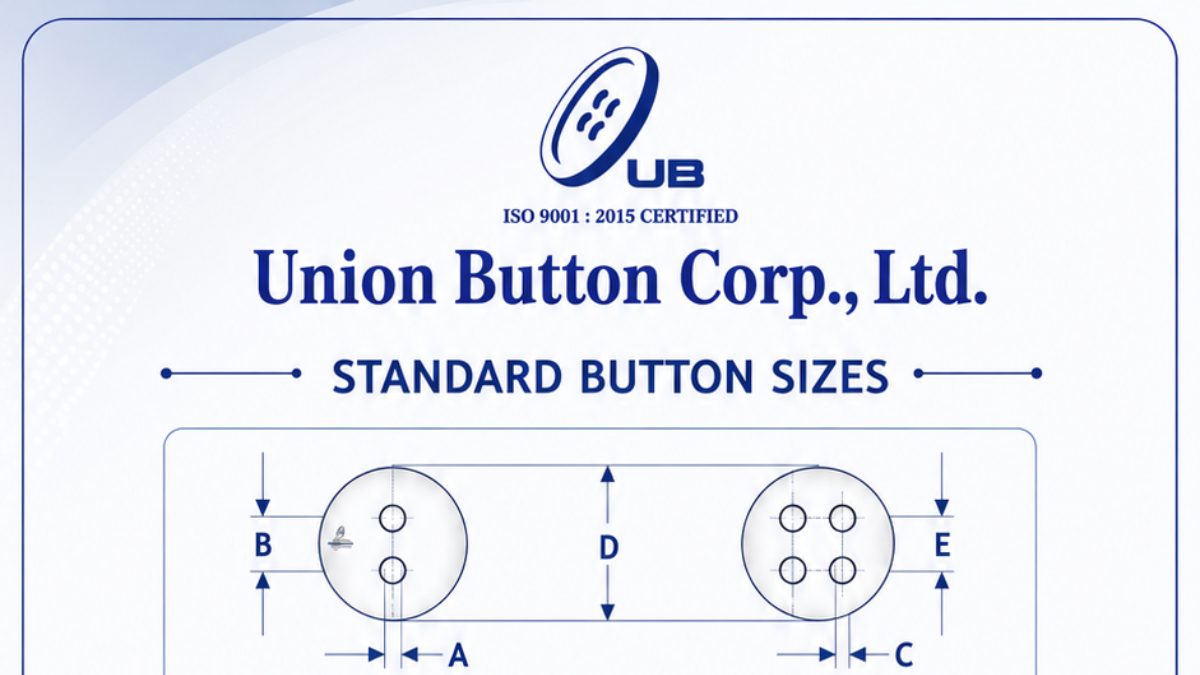
How to Measure Button Sizes? A Guide to Choosing the Right Size for Your Garments
In the world of garment construction, the smallest details often make the biggest impact. A button is not just a functional component for closure; it is a design element that reflects your brand’s quality and attention to detail. Choosing the right button size for specific fabrics and designs is a crucial step you should not…